Structured reference

Gemstone directory

Browse visual profiles, then narrow the index with properties that matter.

Reset

20 gemstones

Filtered combinations are not indexed unless they become reviewed editorial guides.

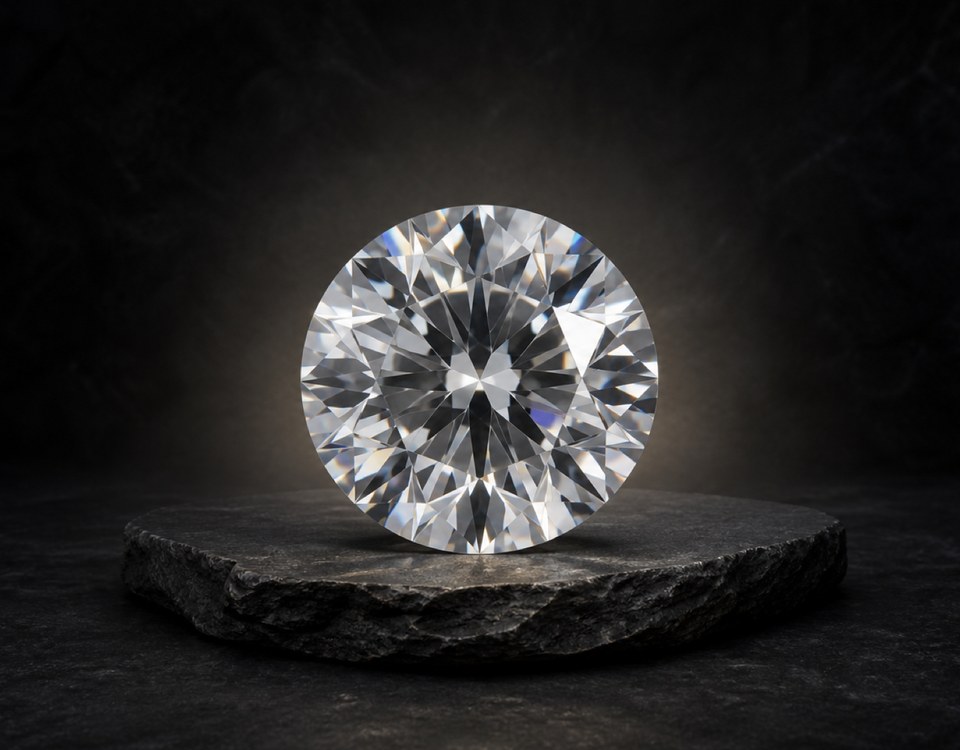
A diamond is a natural carbon crystal formed deep within the Earth under extreme heat and pressure. Renowned as the hardest known natural substance on Earth, it features a brilliant adamantine luster and high light dispersion.

Diamond

Diamond

Diamond is crystalline carbon whose exceptional hardness, cleavage, optical performance, color defects, origin, treatments, and grading evidence must be evaluated as separate questions.
Mohs 10.00Colorless and multicolor
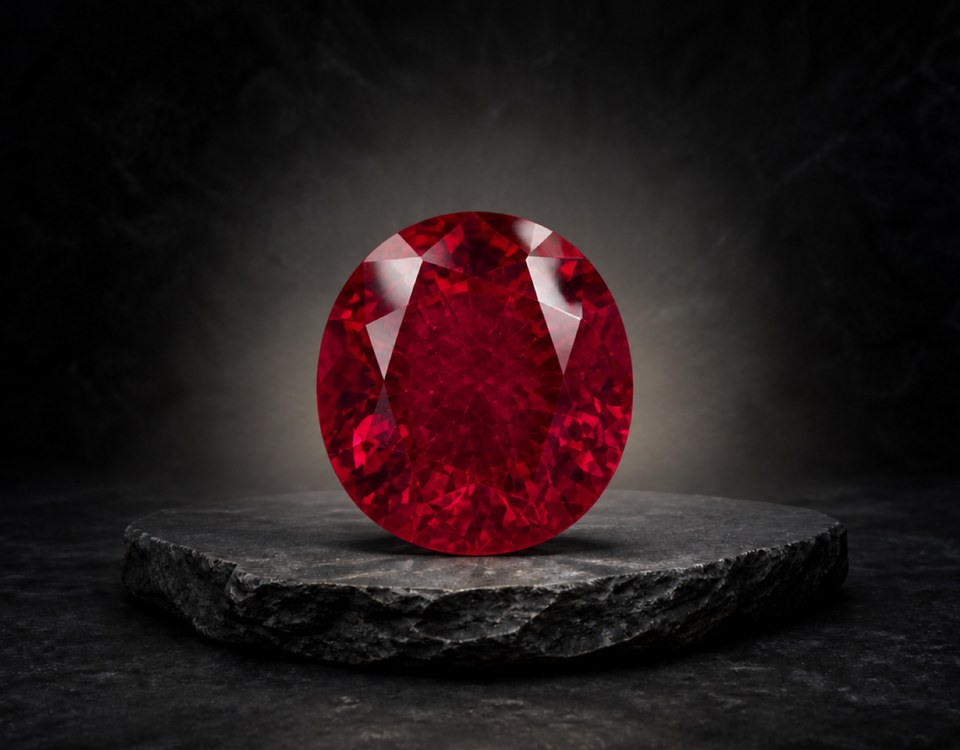
A ruby is a pinkish-red to blood-red gemstone made of corundum (aluminium oxide). Chromium gives it its red color and strong red fluorescence. Ranking 9 on the Mohs hardness scale, it is exceptionally durable. Celebrated as the birthstone for July, top-quality natural rubies are among the most valuable colored gemstones in the world.

Corundum

Ruby

Ruby is red gem-quality corundum colored principally by chromium. This evidence-led profile separates mineral identity, optical behavior, durability, treatment, origin, and buying context.
Mohs 9.00Red
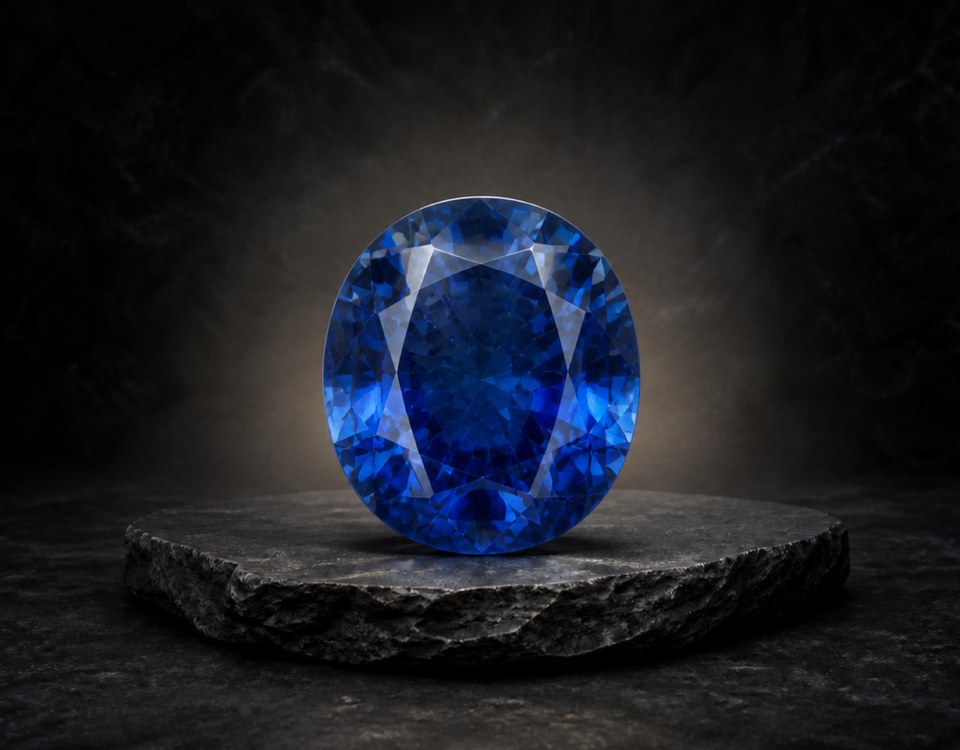
A blue sapphire is a precious gemstone made of corundum, a mineral that scores 9 out of 10 on the Mohs hardness scale. Highly prized for its rich blue color, durability, and royal history, it is widely used in rings, necklaces, and fine jewelry.

Corundum

Sapphire

Sapphire is gem-quality corundum in blue and other colors that do not qualify as ruby. Its color, treatment history, cut, clarity, origin evidence, and documentation must be evaluated separately.
Mohs 9.00Multicolor
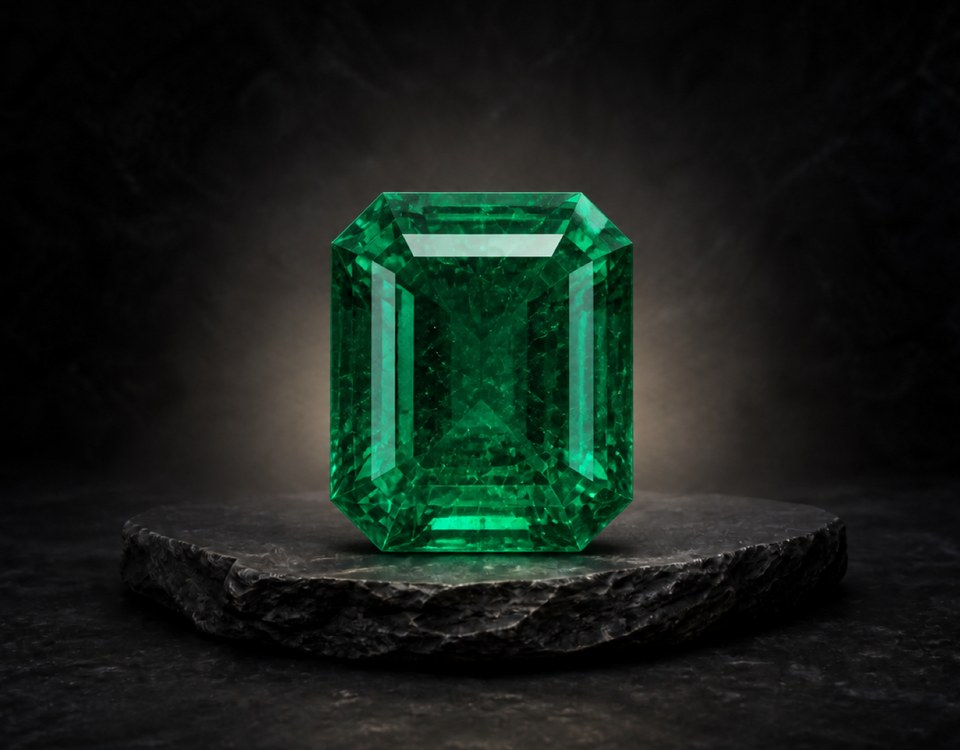
An emerald is a precious green gemstone made of the mineral beryl, colored by trace amounts of chromium or vanadium. Ranking 7.5 to 8 on the Mohs hardness scale, emeralds are the traditional birthstone for May and are prized for their rich green or bluish-green hues.

Beryl

Emerald

Emerald is green to bluish-green Beryl whose identity and appearance reflect color strength, chromium and/or vanadium absorption, inclusions, treatment, and laboratory interpretation.
Mohs 7.50-8.00Green
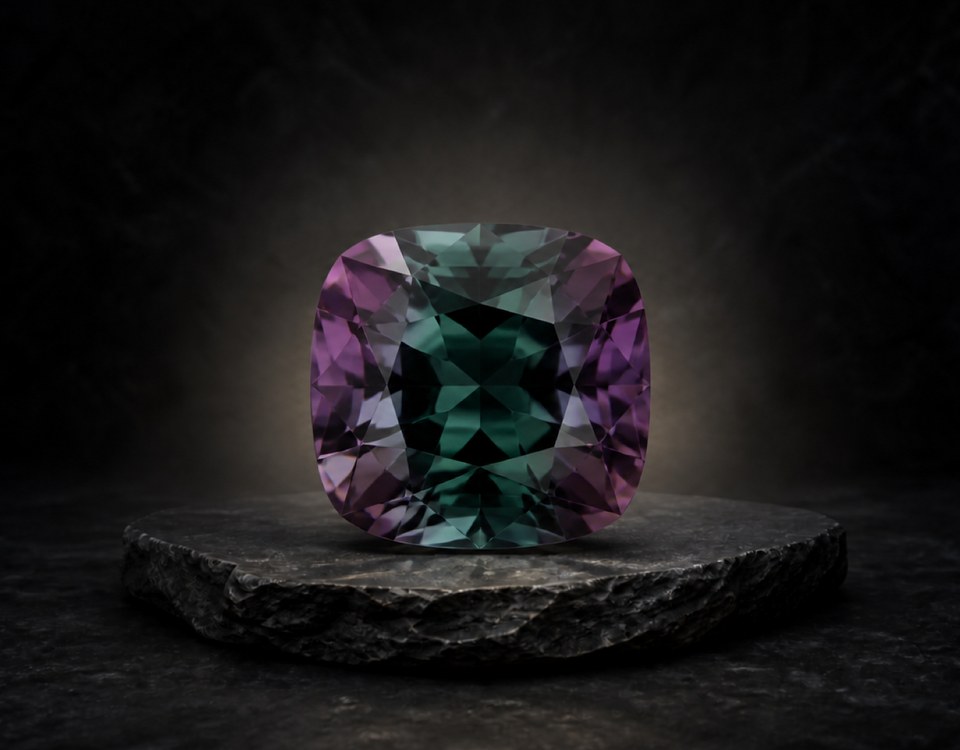
Alexandrite is a rare chrysoberyl mineral famous for changing color. It looks bluish-green in daylight and purplish-red under warm light. It scores 8.5 on the hardness scale, serves as a June birthstone, and often costs thousands of dollars per carat due to its extreme scarcity.

Chrysoberyl

Alexandrite

Alexandrite is color-change Chrysoberyl. Its value and identification depend on strength and quality of change, pleochroism, transparency, cut, origin evidence, and natural-versus-synthetic testing.
Mohs 8.50Color-changing
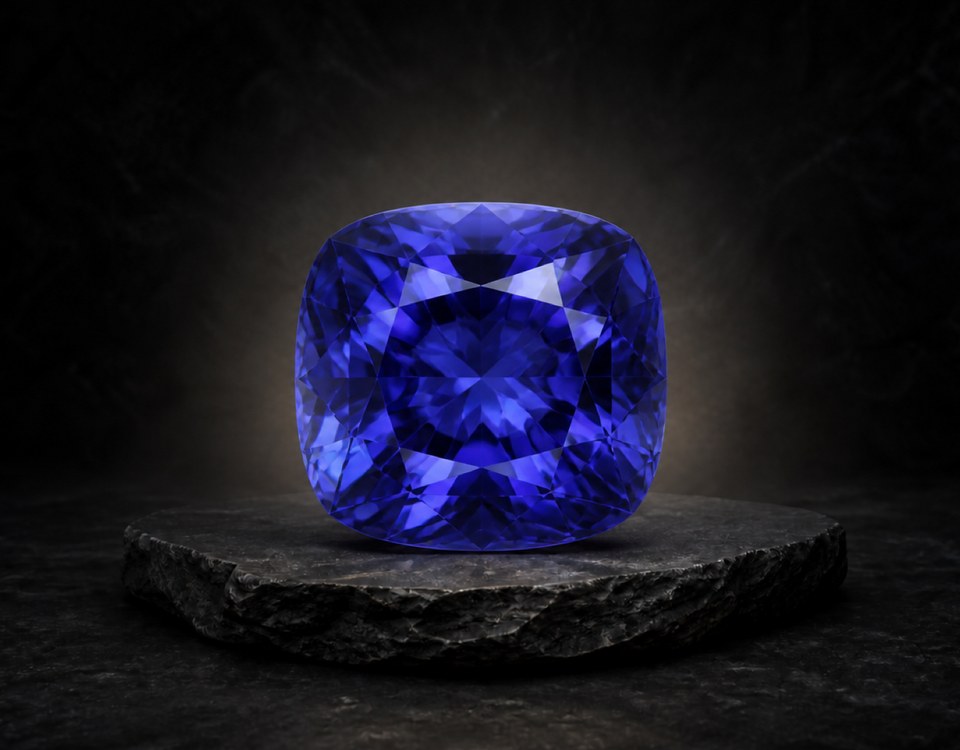
AI-created editorial illustration of blue-violet Tanzanite for the gemstone profile.

Zoisite

Tanzanite

Tanzanite is the blue-to-violet gem variety of Zoisite from the Merelani mining area of northern Tanzania. Its identity, color, treatment, cleavage, and source claims require separate evidence.
Mohs 6.00-7.00Blue to violet
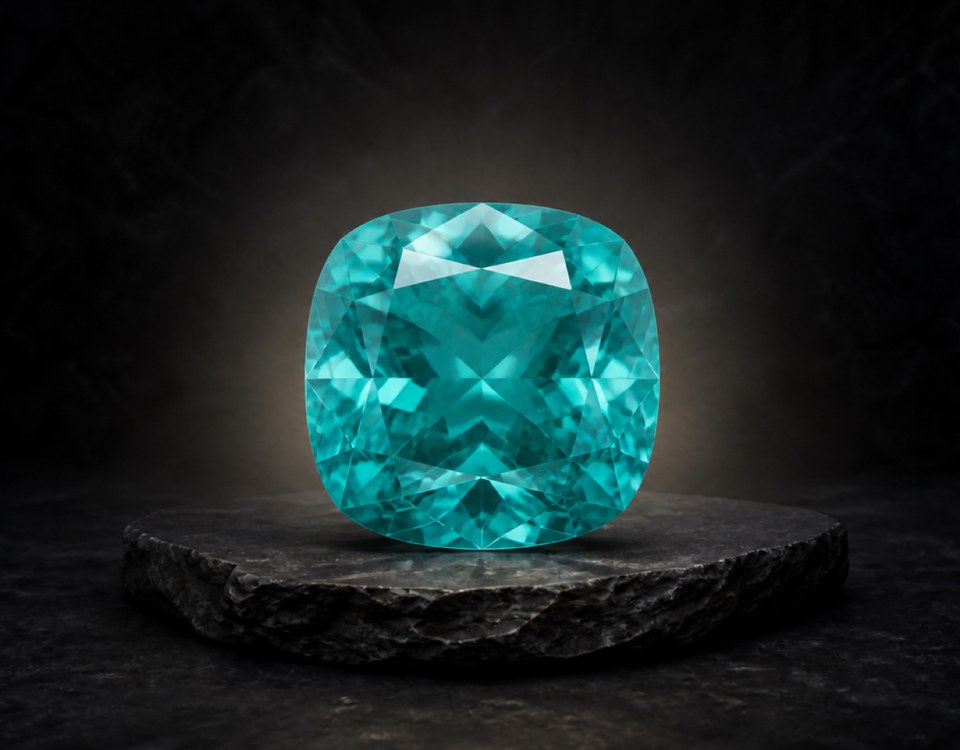
Paraiba tourmaline is an ultra-rare, copper-bearing gemstone known for its intense neon blue, turquoise, and vivid green hues. First discovered in Brazil in 1989, it gets its electric glow from copper and manganese, often outpricing fine diamonds due to its extreme scarcity.

Gem material

Paraíba Tourmaline

Paraíba tourmaline is copper-bearing tourmaline known for vivid blue-to-green colors. Detailed reference values are pending editorial review.
Mohs PendingBlue
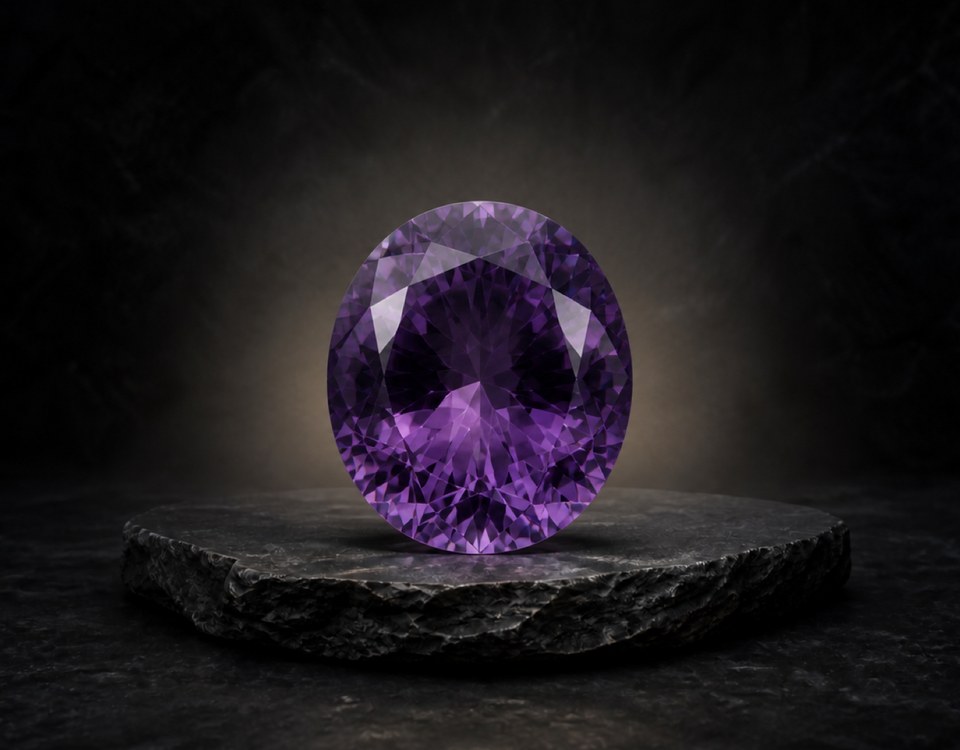
AI-created editorial illustration of purple Amethyst for the gemstone profile.

Quartz

Amethyst

Amethyst is the purple gem variety of Quartz. Its identity is simple; explaining its color, zoning, natural-versus-synthetic origin, treatment, and value requires converging evidence.
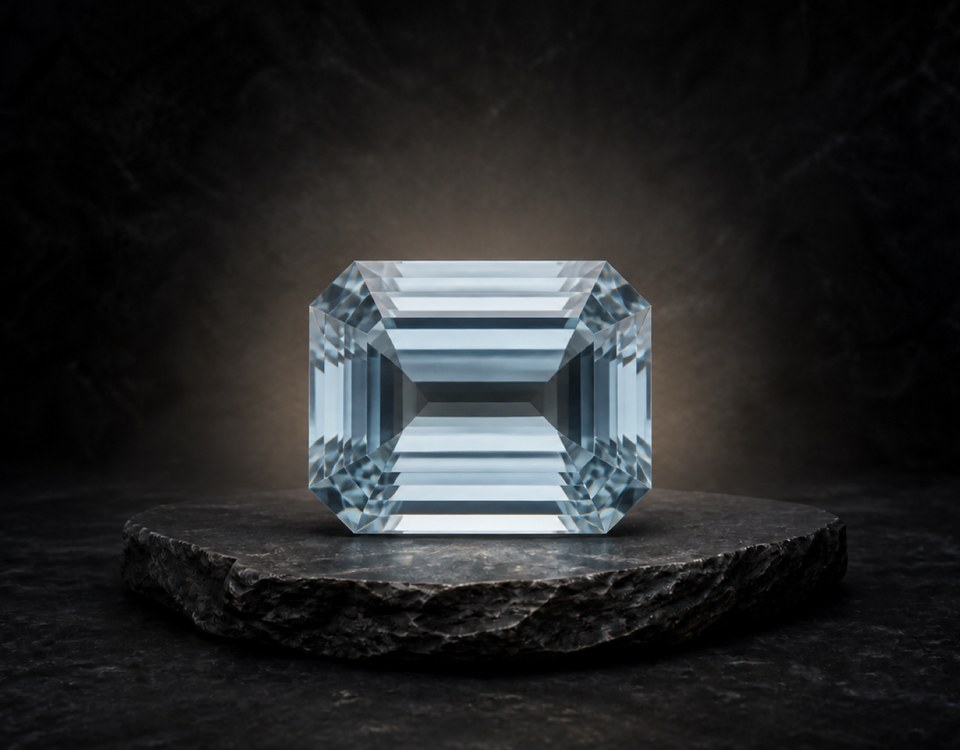
Mohs 7.00Purple
Aquamarine is a pale blue to light green gemstone, the official March birthstone, and a member of the beryl mineral family. Its name comes from the Latin words for water and sea.

Beryl

Aquamarine

Aquamarine is blue to greenish-blue Beryl. Iron-related absorption, pleochroism, heat treatment, clarity, cutting, and documentation shape its appearance and evaluation.
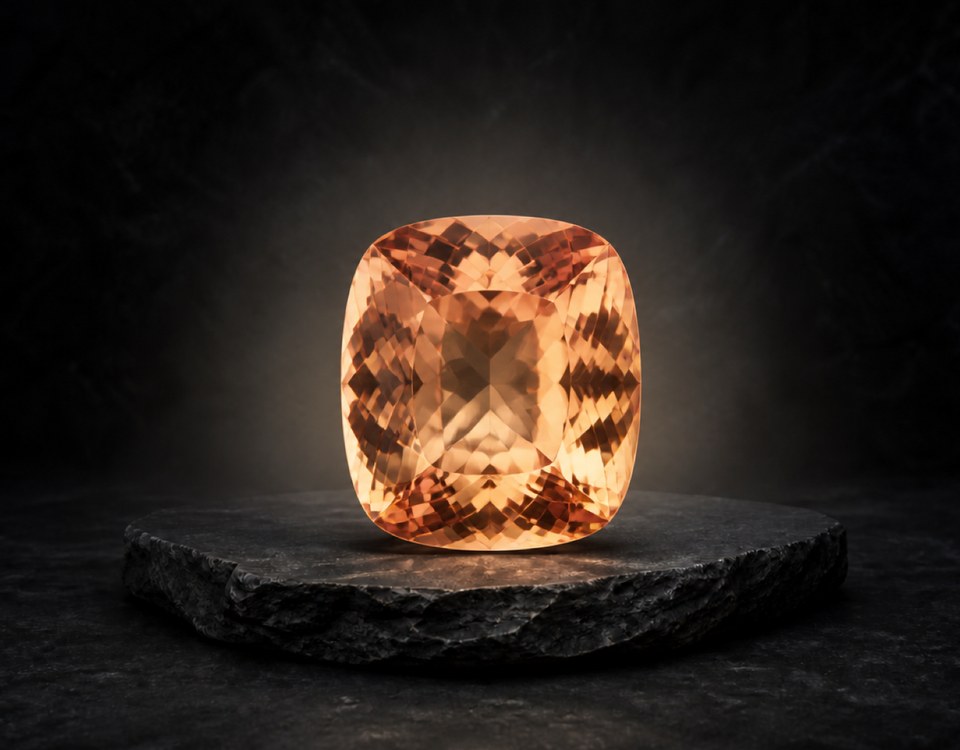
Mohs 7.50-8.00Blue
Topaz is a hard silicate mineral that naturally occurs as colorless, pale yellow, or brown. It scores an 8 on the Mohs hardness scale, making it very durable for rings and daily jewelry.

Topaz

Topaz

Topaz is a mineral species used as a gem in several colors. Detailed reference values are pending editorial review.
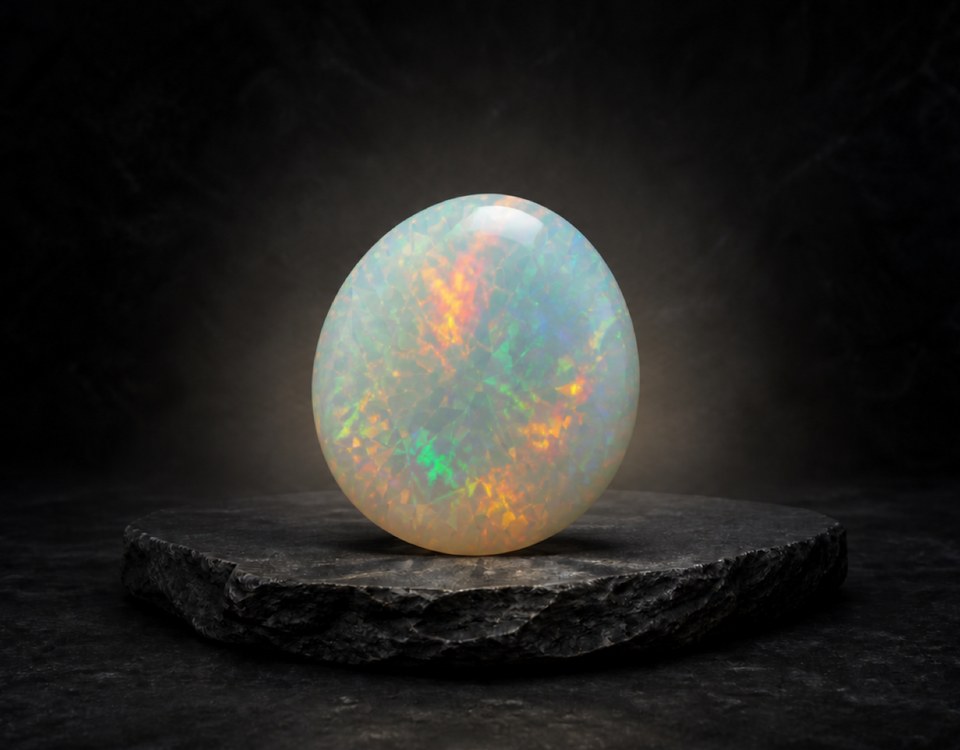
Mohs 8.00Multicolor
AI-created editorial illustration of multicolored precious Opal for the gemstone profile.

Gem material

Opal

Opal is a hydrated silica gem material ranging from common Opal without play-of-color to precious Opal whose ordered nanostructure produces spectral flashes.
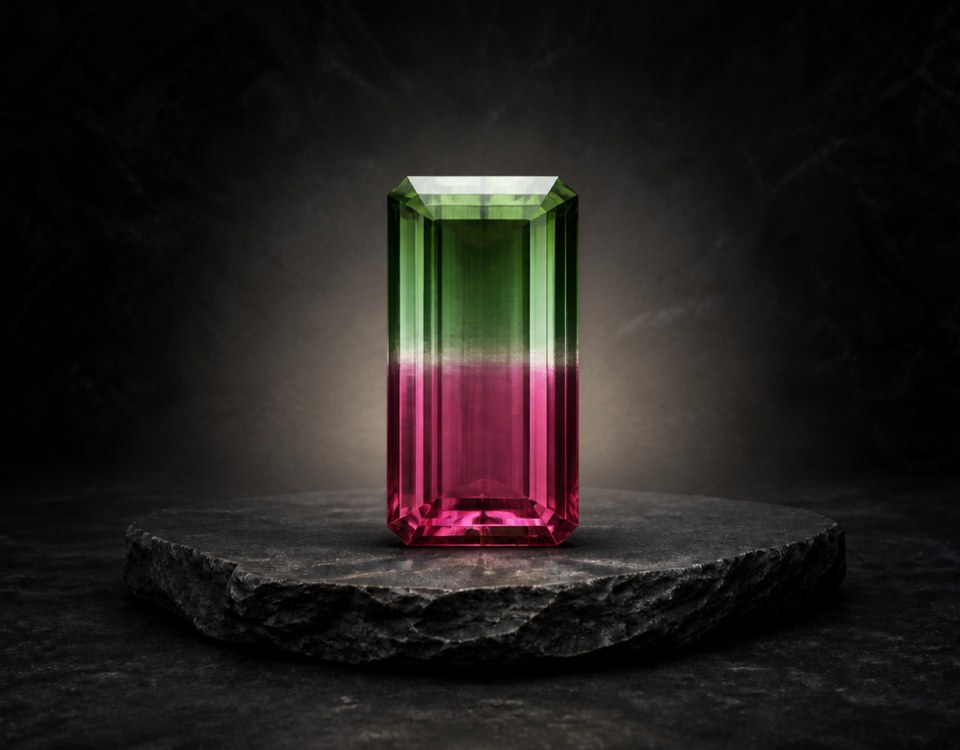
Mohs 5.00-6.50Multicolor
AI-created editorial illustration of multicolored Tourmaline for the gemstone profile.

Gem material

Tourmaline

Tourmaline is not one mineral species. It is a supergroup and gem-trade umbrella whose members share a trigonal structure but differ in chemistry, color, properties, inclusions, geology, and value.
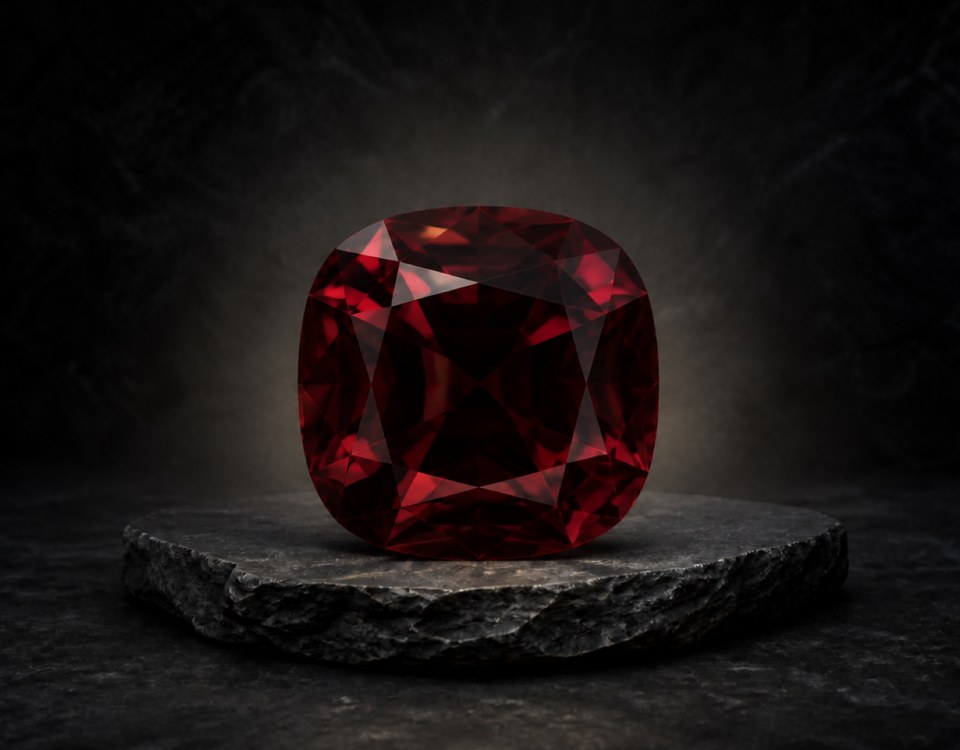
Mohs 7.00-7.50Multicolor
Garnet is a diverse group of silicate minerals used as gemstones and January's traditional birthstone. While famous for deep red, garnets occur in vibrant greens (Tsavorite, Demantoid), oranges (Spessartine), and purples (Rhodolite).

Gem material

Garnet

Garnet names a group of related silicate minerals with several gem varieties. Detailed reference values are pending editorial review.
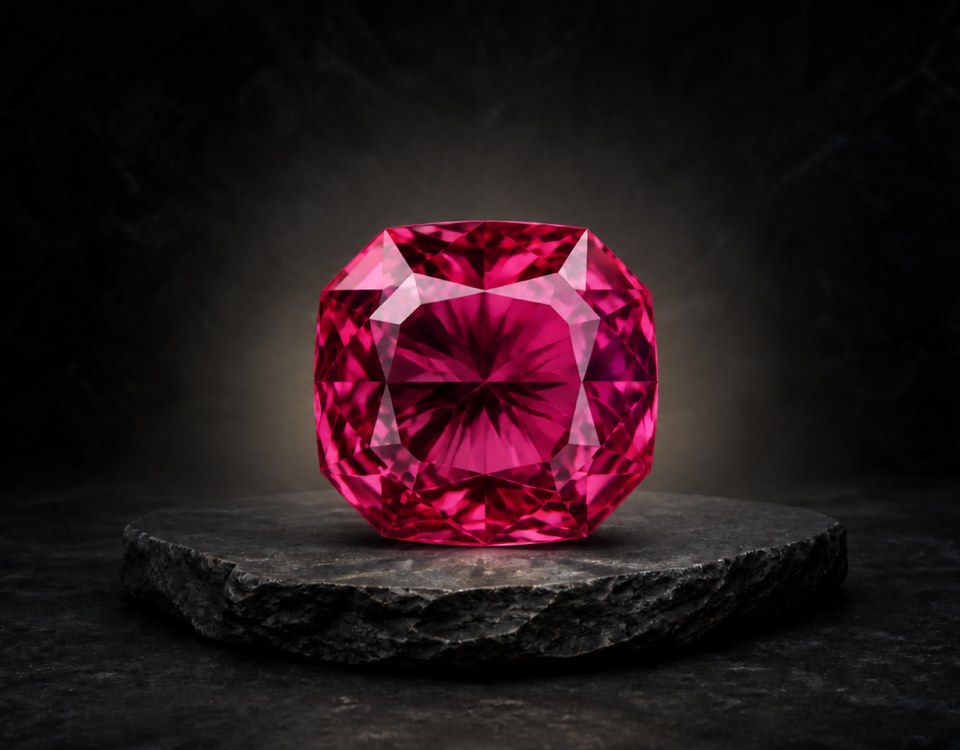
Mohs PendingMulticolor
Spinel is a durable, brilliant gemstone made of magnesium aluminum oxide. It ranks 8 on the Mohs hardness scale. It comes in vivid red, pink, purple, blue, and black. Historically mistaken for ruby, famous crown jewels like the "Black Prince's Ruby" are actually red spinels.

Spinel

Spinel

Spinel is a distinct cubic magnesium aluminum oxide mineral and gem, not a ruby. Natural spinel occurs in red, pink, blue, purple, orange, gray, black, and other colors, with color mechanisms and market significance that vary by material.
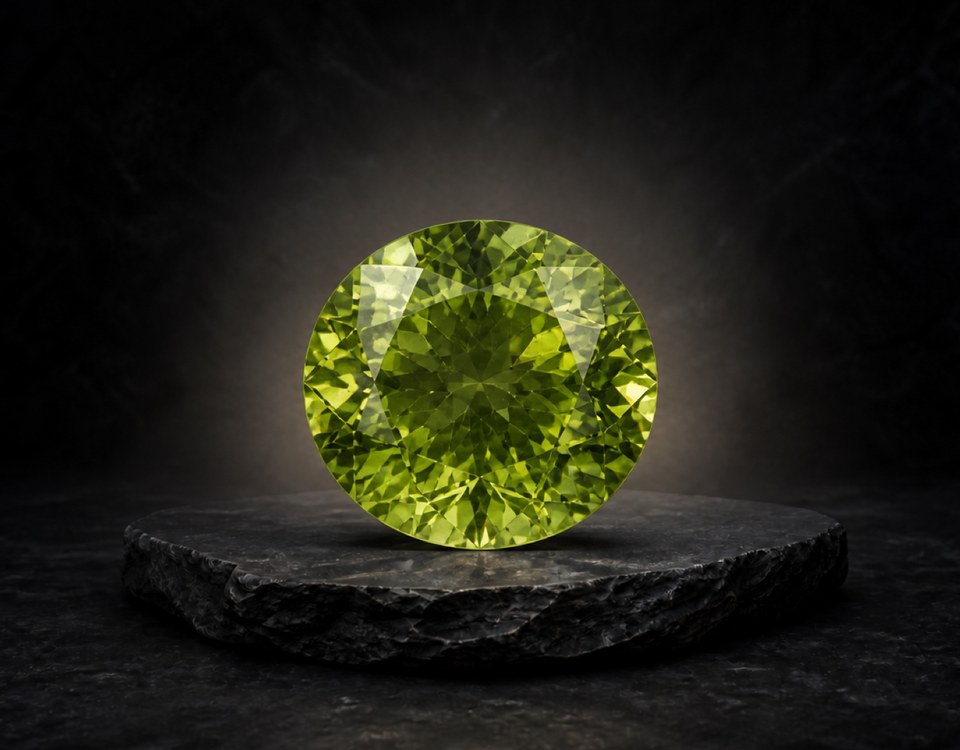
Mohs 8.00Multicolor
Peridot is a vibrant yellowish-green gemstone and the official birthstone for August. It is the gem variety of the mineral olivine and is unique because it forms deep within the Earth’s mantle rather than the crust, and has even been discovered in fallen meteorites.

Gem material

Peridot

Peridot is the green gem variety associated with olivine-group minerals. Detailed reference values are pending editorial review.
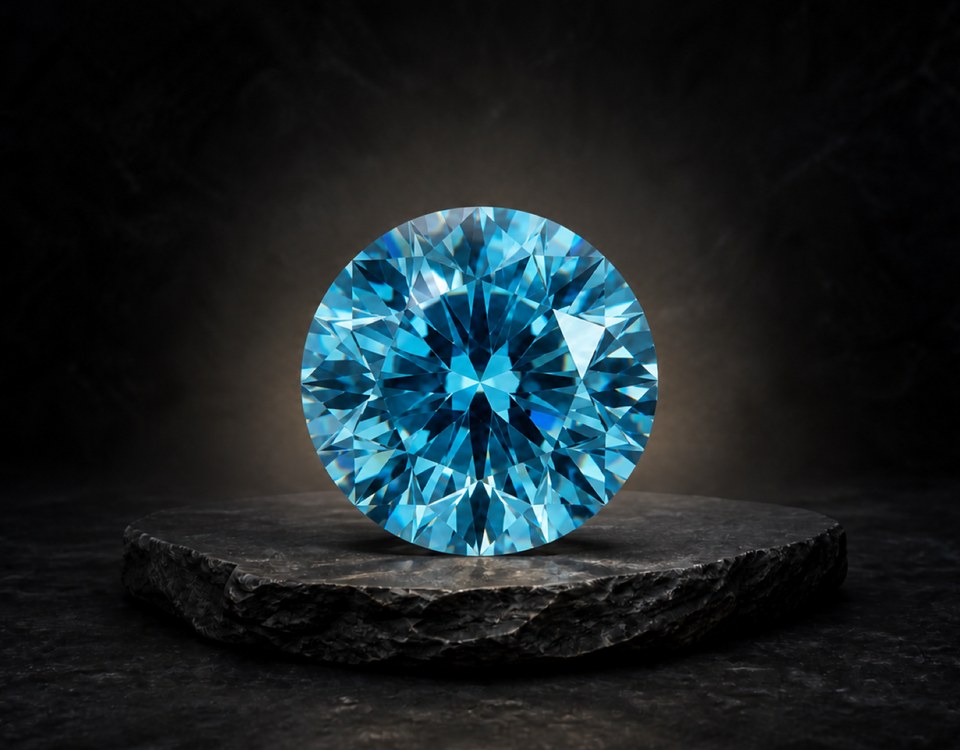
Mohs PendingGreen
Zircon is a natural, vibrant mineral (zirconium silicate) known for its intense brilliance, high refractive index, and rainbow-like fire. It is often confused with synthetic cubic zirconia, but natural zircon is a genuine gemstone available in blue, red, yellow, orange, brown, and colorless varieties.

Zircon

Zircon

Zircon is a natural mineral species and should not be confused with cubic zirconia. Detailed reference values are pending editorial review.
Mohs 6.00-7.50Multicolor
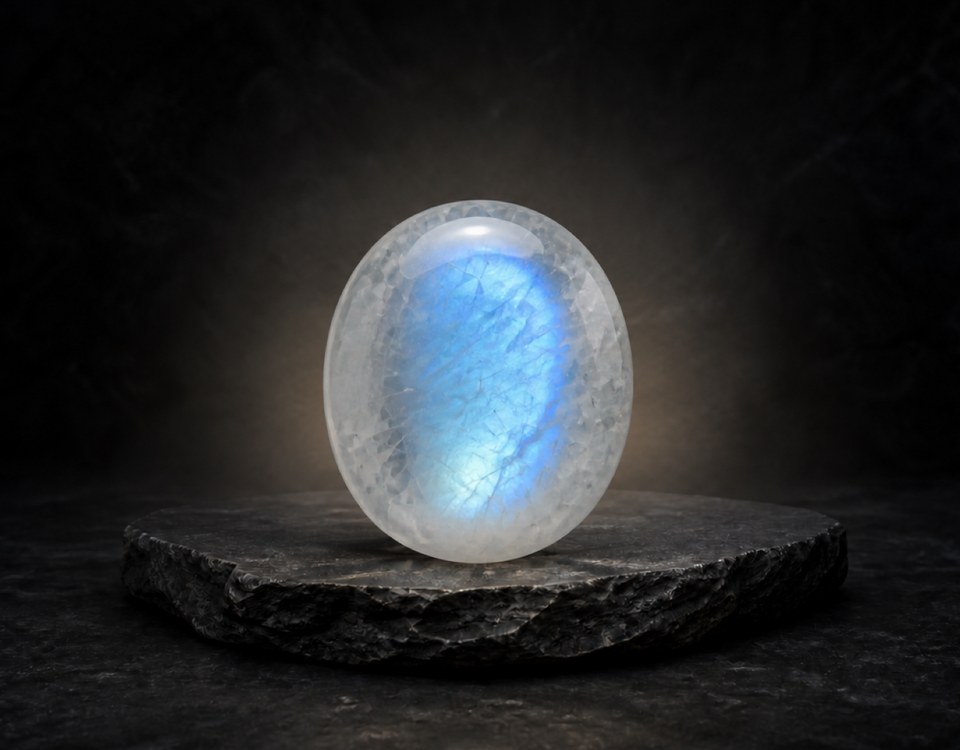
Moonstone is a famous gemstone made of feldspar. It is loved for its soft, glowing light that looks like moonlight. This glowing effect is called adularescence. It happens when light moves through thin layers inside the stone.

Gem material

Moonstone

Moonstone is a feldspar gem associated with the optical phenomenon adularescence. Detailed reference values are pending editorial review.
Mohs PendingWhite / Colorless
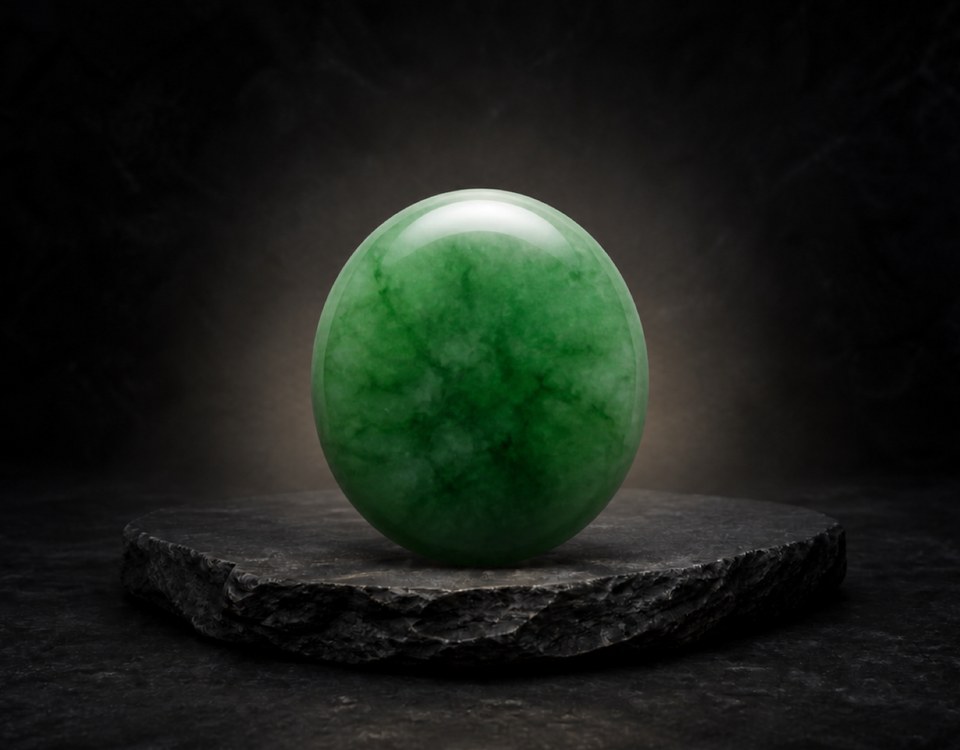
Jadeite is a rare, highly valued pyroxene mineral and one of the two distinct materials classified as jade (along with nephrite). Renowned for its exceptional toughness, glassy luster, and vibrant colors—most notably the translucent, emerald-green "Imperial Jade"—it is primarily mined in Myanmar (Burma) and Guatemala.

Jadeite

Jadeite

Jadeite is a pyroxene mineral and one of the two mineral materials commonly called jade. Detailed reference values are pending editorial review.
Mohs PendingGreen
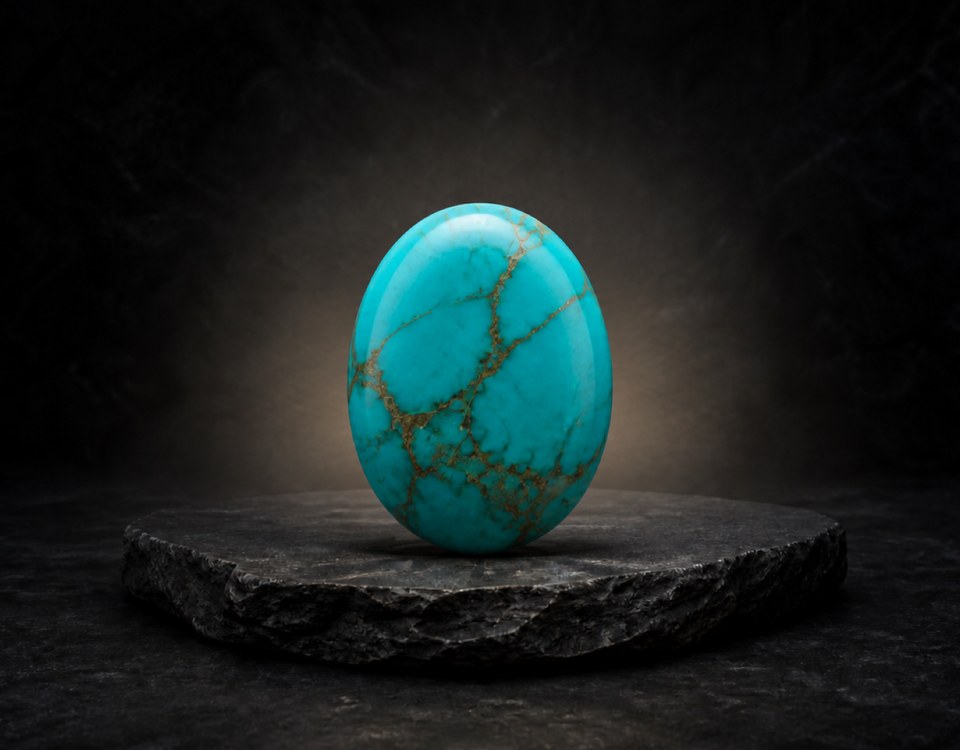
Turquoise is an opaque, blue-to-green mineral and historic gemstone made of hydrated copper and aluminum phosphate. Prized for thousands of years by ancient civilizations like the Egyptians and Native Americans, it is famous for its distinct robin's egg blue or greenish hues and unique dark vein patterns.

Turquoise

Turquoise

Turquoise is an opaque blue-to-green phosphate mineral used as a gem and ornamental material. Detailed reference values are pending editorial review.
Mohs 5.00-6.00Blue
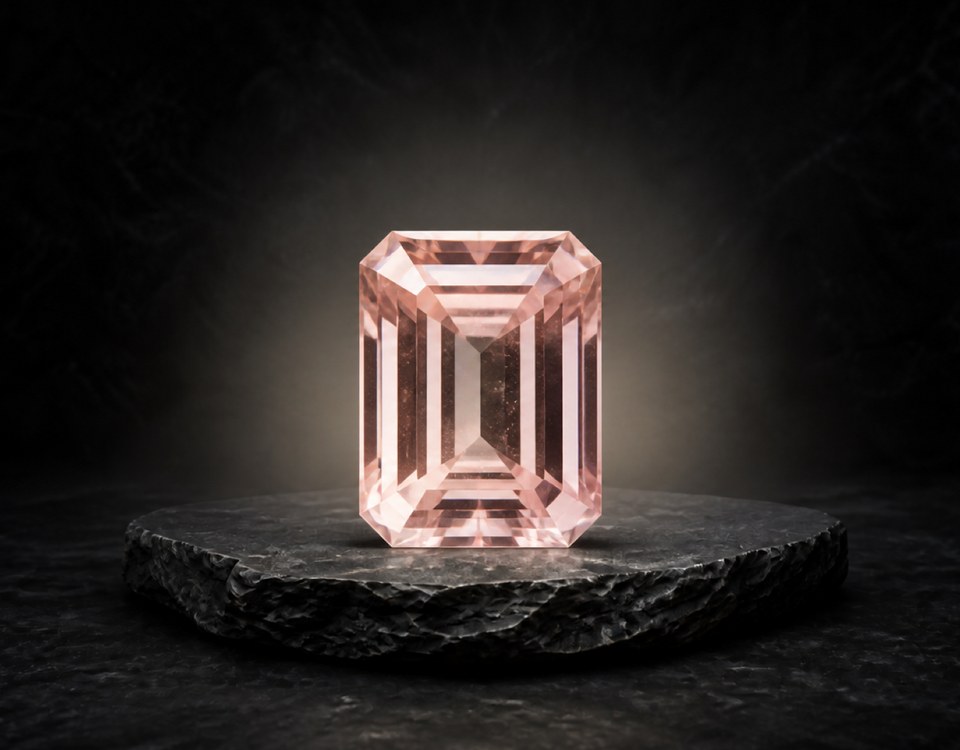
Morganite is a rare, pink-to-peach variety of beryl (the same mineral family as emerald and aquamarine). Named after financier J.P. Morgan, it features a hardness of 7.5 to 8 on the Mohs scale. Prices typically range from $30 to over $300 per carat depending on color saturation and size.

Beryl

Morganite

Morganite is the pink to orange-pink gem variety of beryl. Detailed reference values are pending editorial review.

Mohs PendingPink